If you’ve been anywhere near the world of ecommerce lately, you’ve probably heard the siren call of private labeling. “Buy a product, slap your brand on it, sell it on Amazon, and watch the profits roll in.” Sounds simple, right? Well… not quite. The landscape has shifted, the competition has intensified, and the rules of the game have evolved.
So the real question is: Is private label still worth it in 2026? Let’s break it down with a data-driven, human-first approach.
The Private Label Concept in a Nutshell
Private label is straightforward in theory: you take a generic product from a manufacturer, brand it under your name, and sell it through marketplaces like Amazon, eBay, or Etsy. Unlike dropshipping, you control your inventory, your branding, and your pricing—giving you a chance at higher margins and a scalable business.
But the “simple” part often gets messy in execution. According to Marketplace Pulse, over 60% of new Amazon sellers fail within their first year, and one of the biggest reasons is underestimating competition and market saturation.
Why People Still Choose Private Label
Despite the risks, private label remains appealing. Here’s why:
- Control over Branding – You aren’t just selling someone else’s product; you’re building a brand that can be recognized across platforms.
- Higher Margins – Buying in bulk from manufacturers (usually overseas) allows for significant markup compared to dropshipping.
- Exit Potential – A strong private label brand can eventually be sold as a business, unlike a generic dropshipping store.
- Diversification – Multiple products under a brand reduce the dependency on a single item or marketplace.
The Marketplace Reality in 2026
Let’s get real. The game has changed since the early days of private label. Here are some current trends:
- Competition is fiercer than ever: Amazon alone has over 9 million active sellers, many of whom are competing in the same niches.
- Advertising costs are rising: Pay-per-click (PPC) campaigns on Amazon have increased by over 25% in the past 2 years in competitive categories.
- Consumer expectations are higher: Customers now expect professional branding, high-quality images, fast shipping, and solid customer service—even from small sellers.
- Platforms are unpredictable: Algorithm changes on Amazon, eBay, or Etsy can dramatically affect visibility overnight.
Data That Speaks Volumes
Looking at some numbers can help make this clearer:
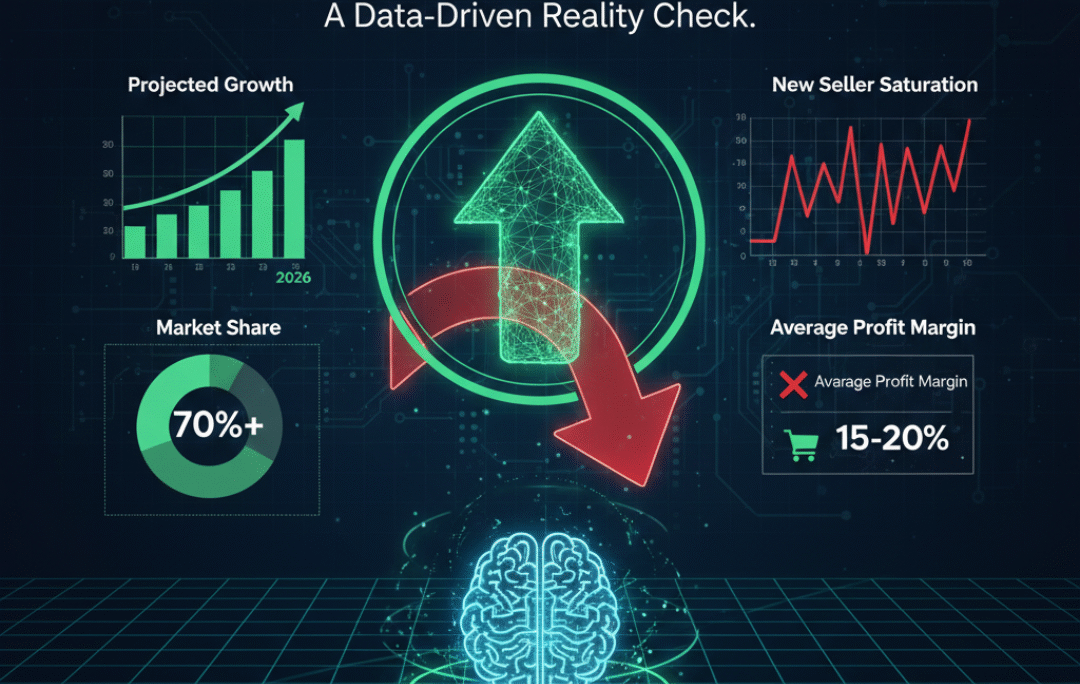
- Average profit margin for private label products: Roughly 20–30% after ad spend, depending on the category and competition.
- Average cost to launch a single private label product: Between $3,000 and $10,000, including product sourcing, branding, initial inventory, photography, and Amazon setup fees.
- Time to profitability: Most sellers break even within 6–12 months, but many stall or fail if they scale too quickly or neglect marketing.
While the numbers aren’t sugarcoated, they do show opportunity—especially for sellers who approach private label strategically rather than as a “get rich quick” scheme.
Platforms Breakdown: Where Private Label Works Best
Amazon
Amazon is still the king of private label, thanks to its massive customer base. The challenge? Saturated markets and rising ad costs. Success now favors brands that invest in unique products, strong branding, and consistent marketing.
eBay
Many sellers overlook eBay for private label, but the platform still offers lower competition in certain niches and cheaper advertising. Margins can be higher if you target specialty or collectible items.
Etsy
Etsy is all about storytelling and handcrafted or artisanal appeal. Private label works if you add value—unique packaging, customizations, or eco-friendly materials. Generic products without a compelling brand story tend to underperform.
How Branding Makes or Breaks Private Label in 2026
One of the biggest mistakes new sellers make is thinking private label = slapping a logo on a generic product. Branding is more than a logo:
- Visual identity: Your packaging, product design, and website visuals create instant recognition.
- Customer experience: Fast shipping, responsive support, and a thoughtful return policy build trust.
- Consistency: From your Amazon listing to social media posts, every touchpoint should reinforce your brand story.
Data supports this: products with strong branding see 30–50% higher conversion rates than generic listings, even when pricing is comparable.
Marketing Isn’t Optional Anymore
Gone are the days when a “good product” sold itself. In 2026, private label success depends heavily on marketing:
- Amazon PPC & Sponsored Ads: Essential for visibility but expensive if not optimized.
- Social Media Presence: Instagram, TikTok, and Pinterest can drive awareness and traffic to both your marketplace listings and your own website.
- SEO: Optimizing product listings and brand websites helps organic traffic and reduces dependency on paid ads.
- Influencer & Affiliate Partnerships: Leveraging micro-influencers in niche markets boosts credibility and reach without breaking the bank.
When Private Label Might Not Be Worth It
Private label isn’t for everyone. Watch out for these pitfalls:
- Budget Constraints: If you don’t have $5K–$10K to invest upfront, launching a product may be riskier than the potential reward.
- Lack of Marketing Knowledge: Even the best product needs visibility. Without marketing skills or a team, growth will stall.
- Copycat Saturation: Selling generic products in over-crowded categories (like phone accessories) makes differentiation almost impossible.
- Short-Term Thinking: Private label requires patience. Expect at least 6–12 months before you see a consistent profit, sometimes longer for brand-building.
Strategies That Still Work in 2026
If you want private label to pay off in 2026, consider these strategies:
- Focus on niche markets: Smaller, less-saturated niches reduce competition and allow for higher margins.
- Invest in quality and packaging: Premium feel products justify higher prices and reduce returns.
- Multi-platform presence: Don’t rely solely on Amazon. eBay, Etsy, and your own website diversify income streams.
- Leverage branding and storytelling: Consumers are buying experience and trust, not just the product itself.
- Use data, not gut: Track competitors, pricing trends, and advertising ROI. Decisions should be informed, not hopeful.
Instead of relying on guesswork, smart sellers use real search data to validate demand before launching.
Tools like our Search Term Harvester help you uncover what customers are actually searching for, making it easier to spot opportunities and avoid oversaturated niches: 👉 https://ecommate.co.uk/tool-box/search-term-harvester/
Bottom Line: Private Label Still Works—If You Do It Right
Here’s the reality check: private label in 2026 is not easy money, but it’s far from dead. Sellers who approach it casually, underfunded, or without a strategy will fail. Sellers who treat it as a full-fledged business with branding, marketing, and analytics can still thrive and even scale.
Private label is worth it if:
- You invest upfront in branding and quality.
- You understand marketing and sales funnels.
- You’re ready to commit at least 6–12 months to see returns.
- You think long-term, not just short-term profits.
Think of it as building a real brand instead of flipping products—because the ones who win in 2026 are doing exactly that.
Next Steps: Making Private Label Work for You
If you’re serious about starting or scaling a private label business in 2026, don’t go it alone. Our services help:
- Product research: Identify niches with demand but low competition.
- Branding & Graphic Design: From logo to packaging, everything aligns with your brand story.
- Marketplace Optimization: Amazon, eBay, and Etsy listings built for conversions.
- Website & SEO: A central hub for your brand to capture long-term sales.
- Social Media & Paid Ads: Drive traffic strategically and cost-effectively.
Private label can be a profitable, long-term business—but only if you treat it like one.
Quick Takeaway
Private label isn’t a “set it and forget it” scheme anymore. It’s a strategy-heavy, branding-focused business model that rewards those who plan, invest, and execute wisely. Treat it like building a real brand, and 2026 can be the year you finally see real growth.
If you want to explore how we help brands turn private label ideas into real, profitable businesses, check out our Private Label Services Page—your future brand is waiting.